Your geyser might seem like it’s working just fine, but there’s one small part inside doing a significant job: the anode rod. Its job is to stop the rust before it reaches the tank. Over time, this rod slowly wears out, and if it’s not replaced, your geyser could start to corrode from the inside. The problem is, most people don’t even know it exists. In this guide, we’ll show you what the anode rod does, how to detect if it’s failing, and how a simple check can help you avoid major damage down the line.
What Is an Anode Rod and Why Is It Important?
An anode rod is a metal rod typically made of magnesium, aluminum, or zinc-coated aluminum, placed inside a geyser’s tank to prevent corrosion. It works by attracting corrosive elements in the water through a process called electrolytic action, which protects the steel tank from rusting. But once the rod wears out, the tank becomes vulnerable to rust, leaks, and eventually, complete failure.
Common Signs Your Anode Rod Might Be Failing
1. Rusty or Discoloured Water
If you notice rusty, brown, or reddish water coming from your hot water taps, it’s a strong sign that the anode rod may have corroded completely, allowing rust to form inside the tank.
2. Strange Odours from Hot Water
A failing anode rod, particularly one made from magnesium, can sometimes cause a rotten egg smell (hydrogen sulfide) in your hot water. This happens when the rod reacts with naturally occurring bacteria in the water.
3. Unusual Noises from the Geyser
Popping, hissing, or rumbling sounds can indicate sediment buildup inside the tank. When the anode rod corrodes, it may contribute to increased sediment, which can reduce heating efficiency and damage the tank.
4. Visible Corrosion or Leaks
If you notice rust on the outside of the tank, around the top or bottom, it could be a sign that the internal tank lining has started corroding, often due to a worn-out anode rod. Small leaks or water pooling near the geyser are also warning signs.
5. Age of the Geyser
Anode rods generally last 3 to 5 years, depending on water quality and usage. If your geyser is older than that and hasn’t had a rod replacement, it’s likely the anode is already consumed.
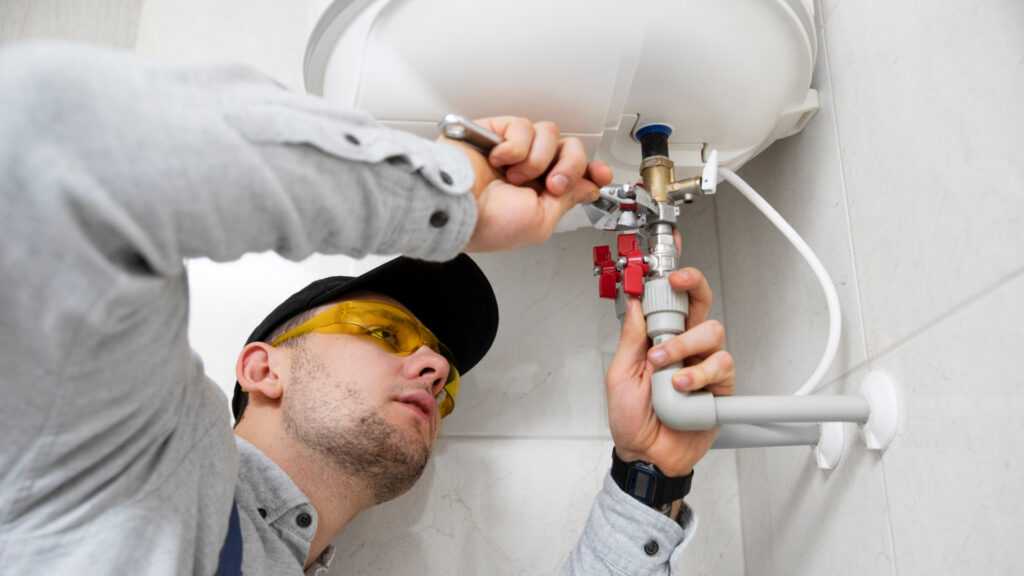
How to Inspect or Replace the Anode Rod
Inspecting or replacing an anode rod isn’t too complicated, but it does require some basic tools and safety precautions. Here’s a brief overview:
- Turn off the geyser and allow the water to cool.
- Shut off the water supply and drain a few liters from the tank.
- Locate the anode rod, usually accessed from the top of the tank.
- Use a socket wrench to unscrew it. If the rod is less than ½ inch thick or visibly corroded, it should be replaced.
Conclusion
Your geyser’s anode rod might be out of sight, but it should never be out of mind. Regular inspection and timely replacement of this inexpensive component can extend the life of your geyser by several years and save you from costly repairs or full replacements. Taking care of this simple component is an easy way to ensure your geyser stays reliable for years.