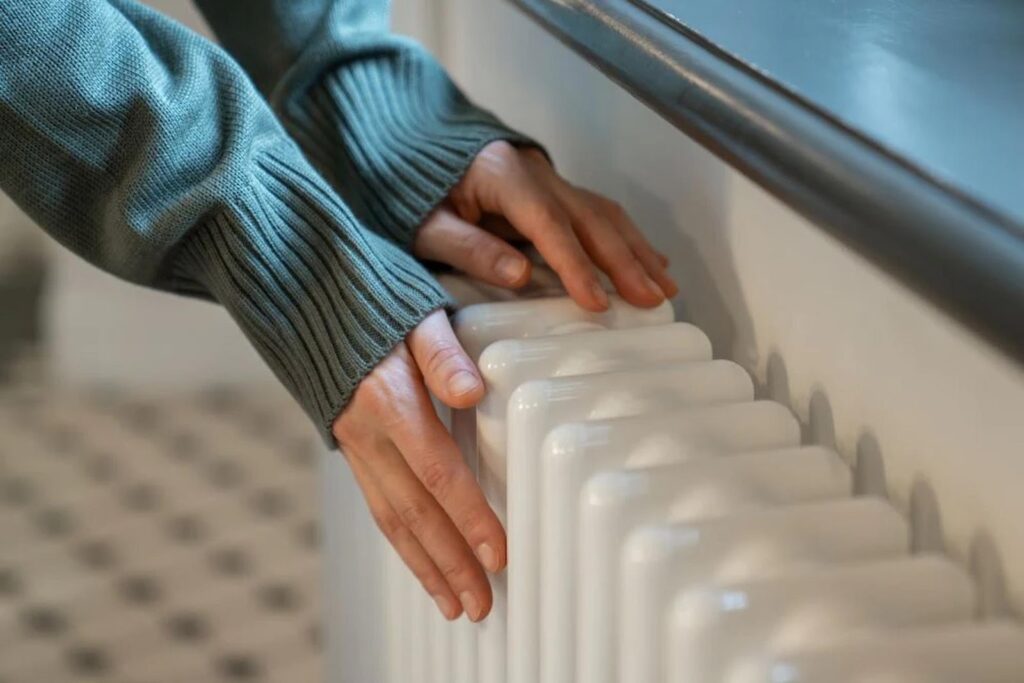
Often overlooked, radiators play a key role in shaping the efficiency and environmental footprint of modern homes. The right combination of materials, performance, and longevity helps turn everyday heating into a more sustainable solution.
As homes become more energy efficient, every component of the heating system comes under closer environmental scrutiny. Radiators are no longer viewed as simple heat emitters but as active contributors to energy performance and sustainability outcomes. Modern designs prioritise efficient heat transfer, lower operating temperatures, and responsible manufacturing practices. Brands such as Stelrad reflect how radiator development has evolved alongside wider environmental standards. From material selection to compatibility with low-carbon heating systems, today’s radiators influence energy demand, indoor comfort, and overall environmental impact in measurable ways.
Environmental Role of Radiators in Modern Homes
Radiators sit at the intersection of comfort and efficiency. In energy-efficient homes, they must deliver consistent warmth while using less energy. This balance directly affects carbon emissions and household energy consumption.
Well-designed radiators distribute heat evenly, reducing the need for higher flow temperatures. This supports efficient boiler operation and improves the performance of renewable systems. Over time, this efficiency contributes to lower fuel use and a smaller environmental footprint without compromising indoor comfort.
Material Choices and Environmental Impact
The materials used in radiator manufacturing influence both performance and sustainability. Steel remains widely used due to its durability, recyclability, and efficient heat conduction.
Key material considerations include:
- Longevity, which reduces replacement frequency
- Recyclability at end of life
- Thermal responsiveness, enabling quicker heat delivery
Durable materials extend product life cycles, limiting waste and the environmental cost of frequent replacements. Responsible sourcing and efficient manufacturing further reduce embodied carbon before the radiator even reaches the home.
Heat Output Efficiency and Energy Demand
Efficient radiators deliver required heat using less energy. This efficiency is critical in well-insulated homes, where excessive heat output can lead to energy waste.
Radiators designed for modern living spaces respond quickly to temperature changes. This responsiveness allows heating systems to operate for shorter periods, reducing overall energy demand. Efficient heat output also supports zoning strategies, where only occupied areas are heated, further lowering environmental impact.
Compatibility with Low-Temperature Heating Systems
Energy-efficient homes increasingly rely on low-temperature heating sources. Radiators must perform effectively under these conditions to maintain sustainability goals.
Radiators support low-temperature systems by:
- Providing sufficient surface area for heat transfer
- Maintaining comfort at reduced flow temperatures
- Supporting stable indoor temperatures with minimal energy input
When radiators operate efficiently at lower temperatures, they enable heating systems to work closer to their optimal efficiency range. This reduces emissions and supports long-term energy reduction strategies.
Radiators and Renewable Energy Integration
Renewable heating systems require components that maximise their benefits. Radiators designed for efficient heat emission complement these systems by reducing operational strain.
Lower system temperatures improve renewable efficiency and extend equipment lifespan. Radiators that align with these requirements help ensure renewable installations deliver consistent comfort while maintaining environmental advantages over traditional heating methods.
Manufacturing Processes and Sustainability Standards
Environmental considerations extend beyond in-home performance. Manufacturing processes influence the overall sustainability of radiators.
Responsible production focuses on:
- Reducing energy use during manufacturing
- Minimising waste and emissions
- Improving transport and logistics efficiency
Manufacturers that prioritise these areas contribute to lower embodied carbon. Over the full product lifecycle, these efficiencies support broader environmental objectives within energy-efficient housing.
Lifecycle Efficiency and Product Longevity
A radiator’s environmental value is closely linked to how long it remains in service. Products designed for durability reduce the environmental cost associated with disposal and replacement.
Long-lasting radiators maintain performance over time, ensuring energy efficiency does not degrade. This stability supports consistent heating performance and avoids unnecessary resource consumption linked to premature product failure.
Indoor Comfort and Reduced Energy Waste
Comfort and sustainability are closely connected. When radiators deliver even, controlled heat, occupants are less likely to overheat spaces.
Stable indoor temperatures reduce reliance on frequent system adjustments. This consistency lowers energy waste and supports efficient heating habits, reinforcing the environmental performance of the home as a whole.
Mid-Article Perspective on Responsible Heating Choices
At the midpoint of the sustainability discussion, it becomes clear that radiators influence more than room temperature. Choices around size, output, and design affect how efficiently a home uses energy. Solutions associated with Stelrad demonstrate how radiator performance, when aligned with modern efficiency standards, can support lower emissions and long-term environmental responsibility without introducing unnecessary complexity.
Regulatory Alignment and Energy Standards
Energy-efficient homes are often built or upgraded to meet strict performance standards. Radiators must align with these requirements to support compliance.
Efficient heat distribution helps properties achieve better energy ratings. This alignment ensures heating systems contribute positively to regulatory goals focused on reducing energy consumption and environmental impact across the housing sector.
Design Efficiency and Space Optimisation
Radiator design also affects environmental performance indirectly. Compact, efficient designs allow flexible placement without compromising output.
Better placement improves heat circulation, reducing cold spots and the need for higher temperatures. This efficiency supports lower energy use and contributes to a more balanced indoor environment.
Future-Focused Environmental Considerations
As energy standards continue to evolve, radiators will remain central to sustainable home heating. Ongoing improvements in efficiency, materials, and system compatibility ensure radiators keep pace with environmental expectations.
Homes designed for long-term efficiency benefit from heating components that adapt to changing energy landscapes. Radiators that support evolving technologies help future-proof energy-efficient properties.
Wrapping Up
Radiators play a meaningful role in the environmental performance of energy-efficient homes. Their materials, design, and compatibility with modern heating systems directly influence energy use and emissions. Efficient heat delivery reduces demand, supports low-temperature operation, and complements renewable technologies. Manufacturing practices and product longevity further shape the overall environmental impact across the radiator lifecycle. When selected thoughtfully, radiators contribute to consistent comfort while reinforcing sustainability goals. Approaches associated with Stelrad highlight how modern radiator solutions align efficiency, durability, and environmental responsibility. As housing standards continue to rise, radiators will remain a key element in reducing energy waste and supporting greener, more efficient living environments without compromising everyday comfort.