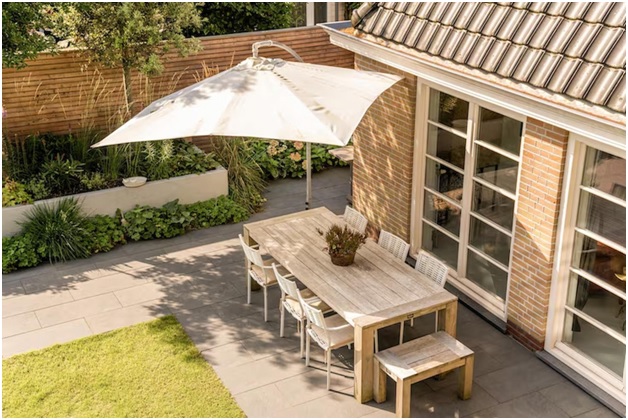
Outdoor comfort should never feel dependent on perfect weather. With the right shade in place, patios become calm, usable spaces from morning to evening. A smart awning choice brings balance between sunlight and shelter, helping outdoor areas feel purposeful, inviting, and ready for everyday living.
Outdoor spaces are increasingly seen as natural extensions of the home rather than occasional extras. Whether it is a quiet morning coffee or an evening spent unwinding, the ability to step outside comfortably makes a noticeable difference. A well-chosen patio awning helps create that comfort by offering protection from harsh sunlight and light rain, while also adding structure and definition to an outdoor area.
Choosing the Right Awning for Your Space
Every patio is different, so selecting the right type of awning starts with understanding how the space is used. Size, layout, and the direction your patio faces all influence what will work best.
● Fixed or retractable options
Fixed awnings provide permanent cover and suit areas where shade is needed all year round. Retractable designs offer more flexibility, extending when protection is required and folding away when open skies are preferred. This adaptability makes retractable systems a popular choice for many households.
● Manual versus motorised systems
Manual awnings are operated by a simple winding handle and are valued for their straightforward design. Motorised versions use an electric system, often controlled by a wall switch or remote. Some include sensors that retract the awning automatically in strong winds, adding an extra layer of protection.
Installation Considerations That Matter
Proper installation plays a major role in how well an awning performs and how long it lasts. Cutting corners at this stage can lead to uneven coverage or unnecessary strain on the structure.
● Structural support and positioning
An awning must be fixed securely to a stable surface, such as solid brickwork or reinforced framing. The angle is equally important. A shallow angle may let rainwater collect, while a steep angle can reduce usable shade. Getting this balance right ensures effective coverage without compromising comfort.
● Planning permissions and regulations
In many residential settings, awnings can be installed without formal approval. However, properties in conservation areas or with listed status may have specific requirements. Taking time to confirm this early avoids complications later.
How Awnings Improve Comfort and Efficiency
Shaded outdoor areas stay noticeably cooler during warmer months. Studies on solar shading suggest that external coverings can significantly reduce heat build-up near windows and doors. This can ease indoor temperatures and help limit reliance on cooling systems. Outdoors, the result is a space that feels more inviting and usable throughout the day.
By creating a buffer between indoor and outdoor environments, a patio awning helps maintain comfort without permanent structural changes.
Keeping Your Awning in Good Condition
Regular care does not need to be time-consuming, but it does make a difference to appearance and performance.
Routine cleaning
Fabric surfaces should be brushed occasionally to remove dirt and debris. Mild soap and water are usually enough for deeper cleaning. Abrasive products can damage protective coatings, so gentle methods are best.
Seasonal checks
At least twice a year, it is worth checking fixings, joints, and fabric tension. After wet weather, ensure the awning is fully dry before retracting it to prevent mould or staining.
Practical Ways to Get More Value
Small habits can improve both lifespan and day-to-day enjoyment.
- Retract awnings during strong winds to reduce stress on the frame
- Adjust the angle through the seasons for better sun control
- Keep shaded seating areas aligned with the awning’s coverage
- Clean fabric regularly to preserve colour and strength
These simple steps help maintain performance with minimal effort.
Making Outdoor Living Feel Effortless
Consistency is key to enjoying outdoor space. When shade and shelter can be relied upon, patios become part of everyday routines rather than occasional treats. With careful placement and sensible upkeep, a patio awning allows outdoor areas to adapt to changing conditions while remaining comfortable and welcoming.
Final Thoughts
A well-designed outdoor space should feel easy to use, not weather-dependent. The right awning brings control over light, heat, and shelter, allowing patios to be enjoyed more often and with greater comfort. By choosing an appropriate style, ensuring proper installation, and keeping up with basic maintenance, homeowners can extend the usefulness of their outdoor areas without complexity. Instead of waiting for ideal conditions, an awning provides confidence to step outside whenever the mood strikes. If you are looking to make better use of your patio and create a more balanced outdoor environment, investing in a patio awning is a practical step that delivers lasting comfort and everyday value.