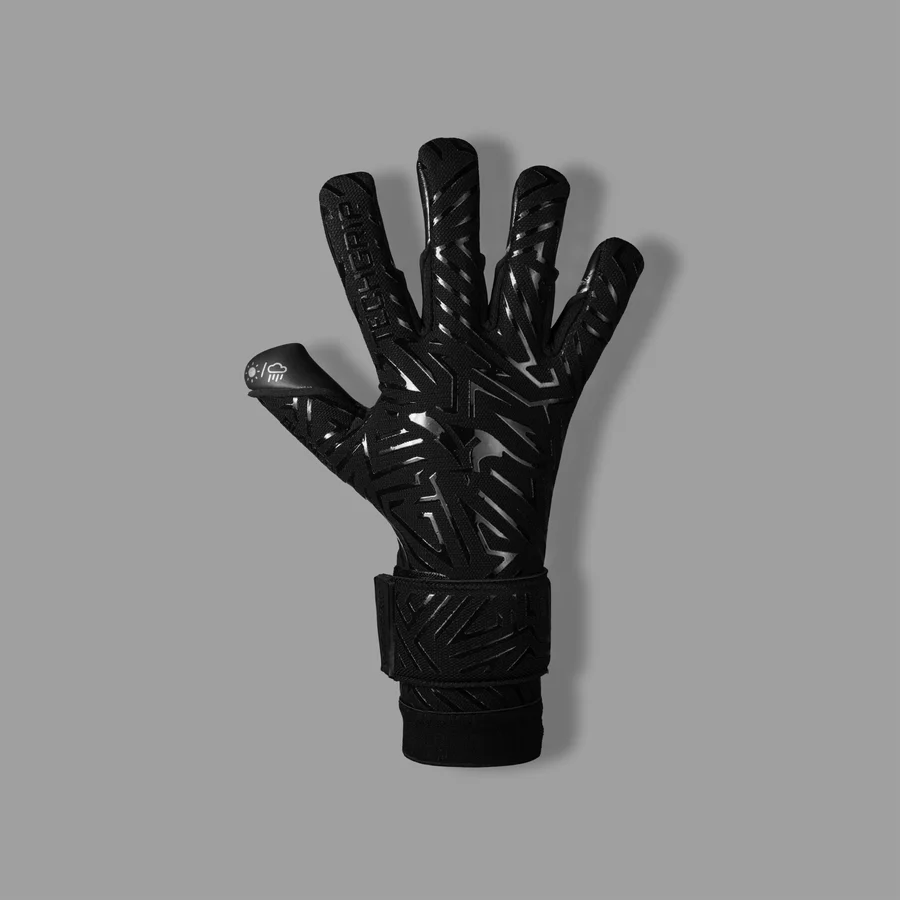
When it comes to football performance, a goalkeeper’s gear plays a crucial role in building confidence, improving grip, and ensuring safety during intense matches. Among all equipment, goalkeeper gloves are the most essential because they directly impact a player’s ability to catch, punch, and control the ball. Whether you are a beginner practicing at a local ground or a professional playing competitive matches, choosing the right gloves can significantly enhance your overall performance.
Modern gloves are designed using advanced materials that provide strong grip in both dry and wet conditions. High-quality latex palms are commonly used to ensure maximum ball control, shock absorption, and durability. Additionally, many gloves include finger protection technology that helps prevent injuries such as hyperextension during high-impact saves. Comfort is another major factor, which is why breathable mesh panels and adjustable wrist straps are now standard features in premium designs.
Another important aspect to consider while selecting gloves is the cut or stitching style. The cut determines how the glove fits around your fingers and palm, ultimately influencing grip, flexibility, and comfort. Traditional cuts like flat palm and roll finger are still popular, but many goalkeepers today prefer more advanced options that offer a balance of control and snug fit. This is where hybrid cut goalkeeper gloves stand out as a top choice for players at all levels.
Hybrid cut gloves combine the best features of different stitching styles, usually blending roll finger and negative cut designs. This combination creates a tighter fit around the fingers while still providing a larger latex surface area for better ball contact. As a result, goalkeepers get improved control, enhanced grip, and a more natural feel when handling the ball. The snug fit also reduces glove movement, allowing for quicker reaction time and precise saves.
Durability is another advantage of hybrid cut designs. Because the stitching supports both flexibility and strength, these gloves tend to last longer even with regular training sessions. Many models also include reinforced palm areas to withstand friction from dives on turf or grass fields. This makes them an ideal choice for goalkeepers who play frequently and need reliable performance from their gear.
Comfort and wrist support are equally important when choosing gloves. Look for adjustable closure systems such as double wrap straps, which provide a secure fit and help prevent wrist injuries. Lightweight materials and ergonomic designs also reduce hand fatigue, allowing goalkeepers to stay focused throughout the match.
In conclusion, selecting the right gloves is not just about style but about performance, protection, and confidence on the field. By understanding the importance of grip quality, cut design, durability, and comfort, goalkeepers can make smarter buying decisions. Investing in well-designed gloves ensures better control, safer gameplay, and a stronger presence between the goalposts.