Owning a swimming pool is one of the greatest joys of backyard living, yet for many Australians, that pleasure is limited to just a few warm months each year.
As soon as autumn arrives and overnight temperatures dip, the water quickly becomes too brisk for a comfortable swim. Investing in a reliable heating system transforms your pool from a seasonal luxury into a year-round oasis, allowing you to maximise your backyard investment and enjoy warm, inviting water whenever the mood strikes.
Whether you are building a new pool or retrofitting an existing one, understanding how different heating technologies work—and which option suits your climate, budget, and lifestyle—is essential.
Why Pools with Heaters Are Worth the Investment
A heated pool offers far more than just extra swimming days. For families, it creates a consistent space for exercise, relaxation, and socialising without being dictated by the weather forecast. Fitness enthusiasts can maintain their lap-swimming routines through winter, while parents can host weekend gatherings well into spring and autumn.
Furthermore, maintaining a comfortable water temperature helps protect your pool’s surface and equipment.
When a pool is used regularly, owners tend to stay on top of water chemistry, filtration, and cleaning, which minimises the risk of algae blooms and costly off-season maintenance.
Comparing the Main Types of Pool Heaters
Choosing the right system depends on how often you swim, your local climate, and your ongoing energy budget. There are three primary technologies used to heat residential pools.
1. Electric Pool Heat Pumps
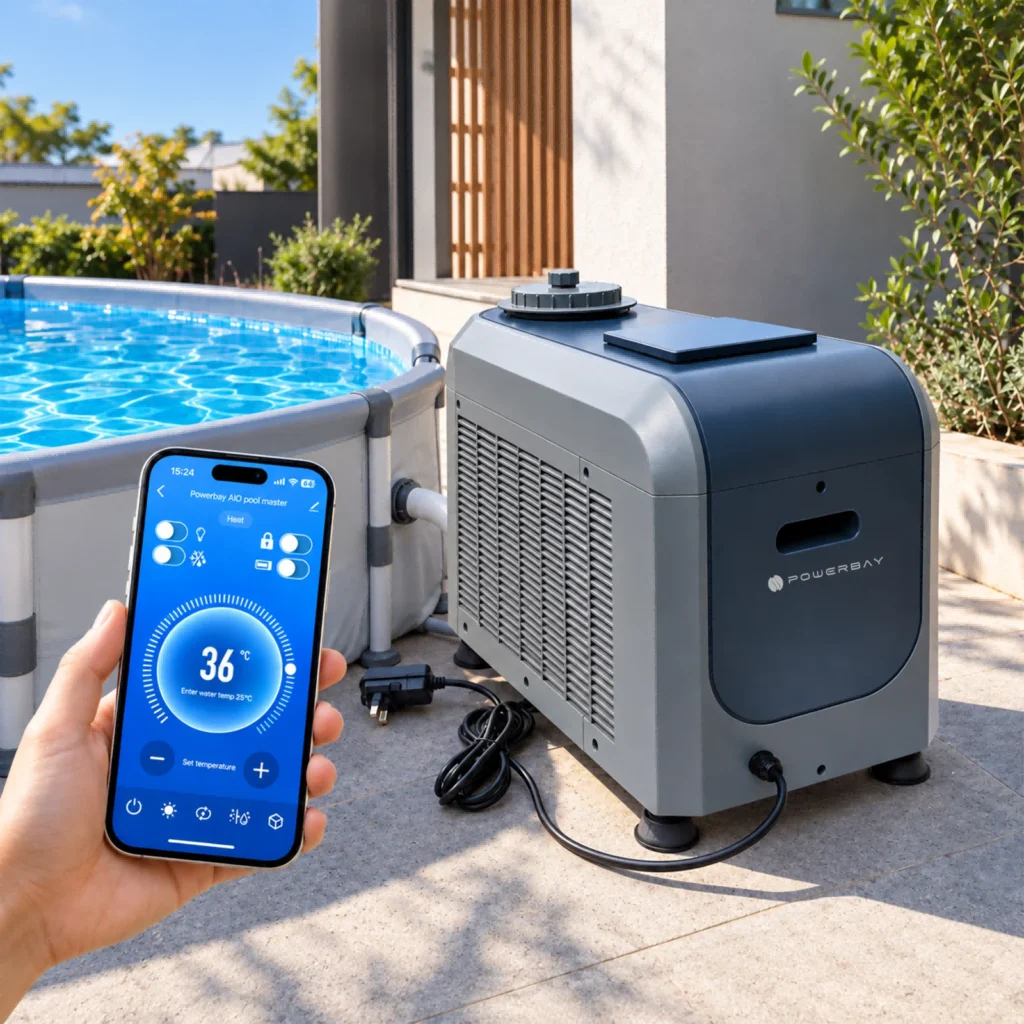
Electric heat pumps are widely regarded as the most energy-efficient way to heat a pool in mild to subtropical climates.
Rather than generating heat directly, a heat pump extracts ambient warmth from the surrounding air and transfers it into your pool water using a refrigeration cycle. Because they move heat rather than create it, they can deliver up to five or six units of heat energy for every unit of electricity consumed.
If you are weighing up your options in South East Queensland, researching pool heat pump prices in brisbane is a smart starting point to see how different kilowatt capacities and inverter models compare for your pool size.
2. Solar Pool Heating
Solar pool heating harnesses free energy from the sun by pumping pool water through a series of black collectors—typically mounted on your roof—before returning the warmed water to the pool. It boasts the lowest running costs of any heating method and is environmentally friendly. However, its performance relies heavily on direct sunlight, meaning it works best in sunny regions and may struggle to maintain high temperatures during overcast winter weeks.
3. Gas Pool Heaters
Gas heaters burn natural gas or LPG to heat water rapidly, regardless of the outside air temperature. This makes them ideal for spas, holiday homes, or households that only want to heat their pool occasionally on demand. The trade-off is significantly higher running costs and greater carbon emissions compared to heat pumps and solar systems.
For a clear visual breakdown of how heat pump technology operates and whether it stacks up financially, watch POOL HEAT PUMP: How Does It Work & Is It Worth It? by Swim University.
5 Key Factors to Consider Before Buying a Pool Heater
Before committing to a specific model, take time to evaluate your property and swimming habits. The following five factors will help you select a system that delivers optimal performance without blowing out your energy bills:
- Pool Size and Surface Area: Heating requirements are calculated primarily by the surface area of your pool (in square metres) rather than just total litres, as most heat is lost through evaporation at the surface.
- Local Climate and Wind Exposure: Pools in breezy, exposed backyards lose heat much faster than those sheltered by fencing, hedges, or retaining walls.
- Desired Swim Season: Decide whether you want to extend your season by a few months either side of summer or swim comfortably through the middle of winter.
- Energy Tariffs and Solar PV Integration: If your home already has rooftop solar panels, pairing them with an inverter pool heat pump allows you to run the heater during peak sunshine hours for minimal out-of-pocket cost.
- Installation and Plumbing Space: Heat pumps require adequate airflow around the unit, while solar systems need sufficient unshaded roof space facing north or west.
Maximising Efficiency with a Pool Cover
No matter which heating system you choose, pairing it with a quality pool cover is non-negotiable. Up to 70% of a pool’s heat loss occurs through evaporation, especially overnight when air temperatures drop.
A well-fitted thermal or solar blanket traps warmth inside the water, reduces chemical consumption, and prevents leaves and debris from entering the pool.
By combining a properly sized heater with a thermal cover and a smart timer, you can minimise energy waste and enjoy comfortably warm water whenever you are ready to dive in.