Security services shape how organisations protect people, property, and information. From visible guarding to discreet monitoring, each service plays a specific role. Understanding these options helps decision-makers match risks with the right level of protection, avoid unnecessary cost, and maintain safety without disruption.
Modern security needs extend far beyond placing a guard at an entrance. Businesses today face a mix of physical, operational, and access-related risks that vary by location and activity. Selecting the right corporate security services starts with understanding what each service actually does and how it supports safety without interfering with daily operations.
Manned Guarding Services
Manned guarding provides direct, visible protection through trained security personnel. It remains a cornerstone of security planning where human judgement and immediate presence are essential.
What Manned Guards Do
Manned guarding focuses on physical presence and situational awareness. Security officers monitor premises, manage entry points, and respond immediately to incidents. Their visibility alone can deter unauthorised behaviour. Industry data consistently shows that clearly visible guarding significantly reduces opportunistic incidents in commercial environments.
Where It Works Best
This service suits locations that need continuous supervision, including offices, commercial buildings, and sites with valuable assets. Human judgement allows guards to assess situations dynamically, which remains a key advantage over automated systems.
Mobile Patrol Services
Mobile patrols offer security coverage across multiple locations without permanent on-site staffing. They provide reassurance through regular checks and rapid response capability.
How Mobile Patrols Operate
Mobile patrols involve trained officers visiting multiple locations at scheduled or varied intervals. These checks often focus on perimeter security, doors, lighting, and signs of unauthorised access. Vehicles allow rapid movement, improving coverage across wider areas.
Key Advantages
Mobile patrols provide a cost-efficient way to maintain oversight without full-time on-site staff. They are commonly used to reinforce existing security measures and reduce response times during incidents.
Access Control and Entry Management
Access control focuses on managing who enters and exits a site. It plays a critical role in reducing internal risk and maintaining orderly movement within buildings.
Core Functions
Access control services manage who enters and exits a site. This can include staffed reception points, visitor verification, and controlled access zones. Accurate monitoring of movement supports accountability and safety.
Why Access Control Matters
Unauthorised access remains a common source of internal security issues. Structured entry management reduces this risk while maintaining a professional and orderly environment for staff and visitors.
CCTV Monitoring and Surveillance
CCTV surveillance extends security visibility beyond physical patrols. It allows continuous observation and early identification of unusual activity.
Live and Remote Monitoring
Surveillance systems allow continuous observation of premises through monitored camera feeds. Trained operators identify unusual activity early, enabling action before issues escalate rather than relying solely on recorded footage after an incident.
Supporting Evidence
Studies in commercial settings show that monitored CCTV can reduce property-related incidents by up to 30 percent, particularly when supported by clear procedures and active oversight.
Alarm Response Services
Alarm response services ensure that alerts lead to action, not delays. They connect detection systems with trained personnel who can assess and respond appropriately.
What Happens During an Alert
Alarm response services ensure alerts are taken seriously. When a system activates, trained responders assess the situation and attend the site if required, following defined protocols.
Practical Benefits
Prompt response limits disruption and potential damage. It also prevents alarm fatigue, ensuring systems remain effective rather than being ignored.
Event Security and Crowd Management
Event security addresses the risks that arise when large numbers of people gather temporarily. It focuses on safety, movement control, and clear communication.
Scope of Event Security
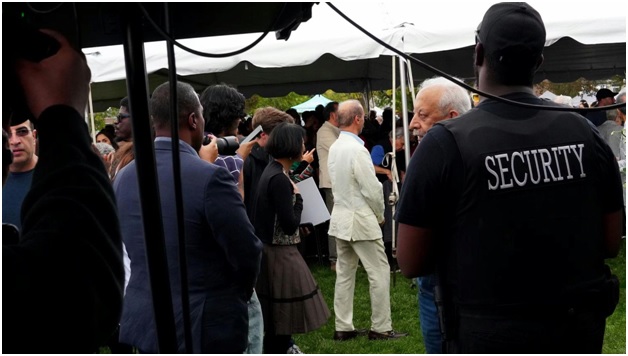
Event security focuses on managing people, movement, and access during temporary gatherings. Services often include entry checks, controlled flow, and emergency coordination.
Risk Reduction
Proper crowd management lowers the likelihood of incidents caused by congestion, confusion, or poor access control, particularly in high-footfall environments.
Corporate and Executive Protection
Executive protection focuses on safeguarding individuals without drawing unnecessary attention. It prioritises planning, discretion, and situational awareness.
What Executive Protection Covers
This service provides discreet personal security based on risk awareness and planning. The emphasis is on prevention, safe movement, and controlled environments rather than overt security measures.
When It Is Appropriate
Executive protection is typically used where personal safety, operational continuity, and reputation intersect, especially during sensitive activities or travel.
Integrated Security Planning
Integrated security planning brings multiple services together into a coordinated approach. It ensures protection measures work collectively rather than in isolation.
Most organisations achieve better outcomes by combining multiple services rather than relying on a single solution. A layered approach using complementary corporate security services improves resilience, closes gaps, and ensures responsibilities are clearly aligned with risks.
Key Factors That Shape Service Choice
Security decisions should be guided by clear evaluation rather than assumption. Understanding context and responsibility is essential.
Environment and Risk Profile
Security requirements vary by setting. Factors such as location, footfall, asset value, and operating hours directly influence which services are appropriate.
Compliance and Duty of Care
Organisations are expected to protect employees, visitors, and assets. Well-chosen security services help meet legal and ethical responsibilities without creating unnecessary barriers.
Practical Takeaways for Choosing Security Services
- Assess risks clearly before selecting services
- Combine physical presence with monitoring and response
- Prioritise response capability, not just detection
- Review security arrangements as operations evolve
These principles support balanced, effective protection.
Frequently Asked Questions
What does a security company actually provide?
A security company delivers structured protection through people, planning, and systems. This includes manned guarding, mobile patrols, access control, monitoring, and response services. The focus is not only on reacting to incidents but on preventing risk, maintaining order, and supporting safe daily operations across different environments.
Is manned guarding still necessary today?
Yes, manned guarding remains essential where judgement, presence, and immediate decision-making are required. Human security officers can assess situations dynamically, manage interactions, and respond in real time. Technology supports this role, but it does not replace the situational awareness and adaptability provided by trained personnel.
How do mobile patrols differ from on-site guards?
Mobile patrols provide scheduled or random checks across multiple locations rather than constant presence at one site. They focus on perimeter checks, access points, and visible deterrence. This approach offers cost-effective coverage while maintaining security oversight, particularly outside standard operating hours.
What role does CCTV play in security services?
CCTV supports security by extending visibility and enabling early detection of unusual activity. When actively monitored, it allows quicker intervention and informed response. CCTV is most effective when combined with clear procedures and trained personnel rather than used as a standalone measure.
How do security companies manage access control?
Access control involves regulating who enters and moves within a site. This includes visitor verification, controlled entry points, and monitoring movement patterns. Effective access management reduces internal risk, supports accountability, and helps maintain a professional, orderly environment without disrupting daily activity.
How should organisations choose the right security services?
The right services depend on risk profile, environment, and operational needs. Organisations should assess footfall, asset value, operating hours, and compliance obligations. A layered approach that combines guarding, monitoring, and response usually provides more reliable protection than relying on a single solution.
Wrapping Up
Security works best when it aligns with real-world needs. Each service, from guarding to monitoring and response, serves a specific function. Understanding these roles allows organisations to build protection that supports daily activity rather than disrupting it. When applied thoughtfully, corporate security services provide stability, reassurance, and long-term confidence.