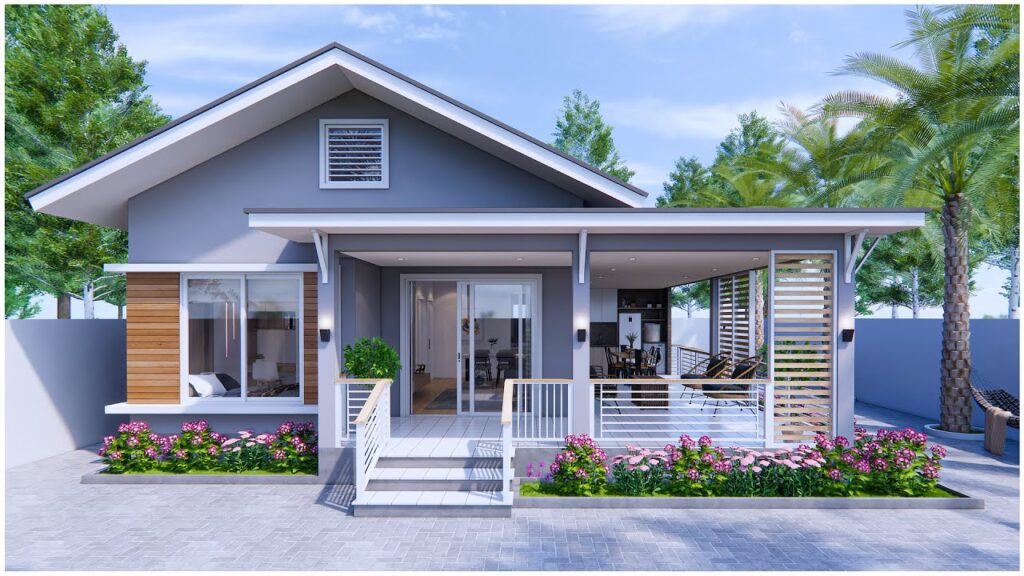
Let’s play a quick game of pretend. It’s 2045. Your kids have grown and moved out. Maybe your parents need to move in. Perhaps your knees aren’t what they used to be. Your energy bills? Who knows what they’ll cost by then.
Now, imagine your home still works perfectly for this future version of you. That’s the magic of future-proofing. It’s about making house design choices today that save you money, stress, and major renovations down the track.
The best part? Most future-proofing isn’t about sacrificing style. It’s about smart, subtle choices that keep your home beautiful and functional for decades. Here are five you won’t regret.
1. Design for Accessibility (Without the “Institutional” Look)
Universal design is the fancy term, but it really means: design that works for everyone, regardless of age or ability. And no, it doesn’t mean your home has to look like a hospital.
Think wider doorways (850mm minimum instead of the standard 760mm). That simple change makes life easier for moving furniture, pushing a pram, or accommodating a wheelchair later. Consider a step-free shower with a gentle slope to the drain instead of a hob to step over. Lever handles on doors are easier for arthritic hands than round knobs. These details cost very little to include upfront but are expensive and disruptive to retrofit later. And honestly? They just make daily life nicer for everyone.
2. Prioritise Passive Solar Design
Do you enjoya climate that’s perfect for passive solar design? This means orienting your living areas to capture winter sun (north-facing is gold) while providing shade from the harsh summer heat.
Key elements include:
- High-performance glazing: Double-glazed windows with thermally broken frames keep heat in during winter and out during summer.
- Proper insulation: Not just in the ceiling, but in the walls and under the floor. It’s the single best investment in comfort and energy savings.
- Thermal mass: Materials like concrete slabs and brickwork absorb heat during the day and release it slowly at night, naturally regulating your home’s temperature.
Build this into your design now, and you’ll enjoy lower energy bills and a more comfortable home for its entire life.
3. Create Flexible Spaces
Remember when every new home had a formal lounge room that nobody used? Don’t build for just one stage of life. Build rooms that can adapt.
That fourth bedroom might be a nursery today, a home office in five years, and a guest room later. Consider positioning plumbing rough-ins in a wall so a future bathroom or kitchenette can be added easily. A large rumpus room could be divided later if needed. Think of your floor plan as flexible, not fixed. This is where working with an experienced design team pays off. Professionals will excel at creating adaptable floor plans that evolve with your family’s changing needs.
4. Wire for Tomorrow’s Technology
Technology moves fast, but walls and floors don’t. During a renovation or new build, it’s cheap and easy to install infrastructure that will serve you for decades.
Run empty conduit (conduit is your friend!) from your comms cabinet to key locations in the house. This lets you pull through new cables in the future without ripping up walls. Consider wiring for ceiling speakers, security cameras, and robust WiFi access points. Even if you don’t use smart home tech now, having the wiring in place means you can add it later with minimal fuss.
5. Choose Timeless Over Trendy
This doesn’t mean boring. It means being thoughtful about where you invest your money. Use timeless materials for the big, expensive items: good timber, quality stone, classic tiles. These won’t date and will look beautiful for decades.
Save the trends for things that are easy and affordable to change: paint colours, soft furnishings, and lighting. That way, you can update your home’s look every few years without a major renovation.
Building a Home That Lasts
Future-proofing isn’t about predicting the future. It’s about building a home robust and flexible enough to handle whatever life throws at it. It’s about creating a space that remains comfortable, functional, and valuable for decades, not just until the next trend comes along.
These five choices are investments in your future comfort, your family’s wellbeing, and your home’s long-term value. They’re the kind of smart decisions that you’ll thank yourself for, year after year.
Ready to build a home that stands the test of time? Contact the team at House Design Solutions to discuss how to integrate future-proof design principles into your house extension, renovation or new home project.