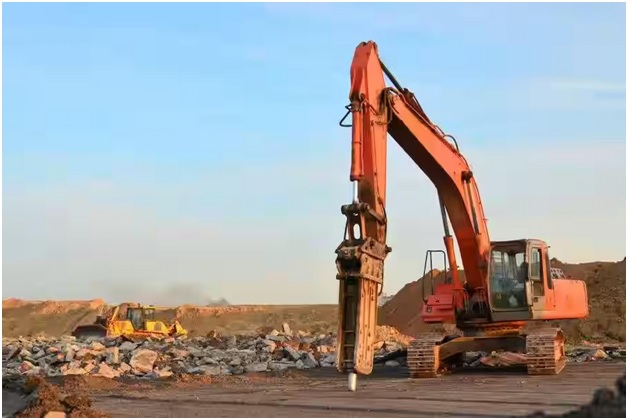
Oversize rocks and bridging can halt a primary crusher in seconds, cutting throughput and raising costs. The right hydraulic tools restore flow fast, protect equipment and keep production moving. Discover practical ways to tackle these common feed problems and maintain steady crushing performance every shift.
Nothing stops a crushing plant faster than oversize material or a bridge at the primary crusher. One large boulder or a stable arch of rock can starve the whole circuit, leave trucks waiting and force operators into risky clearances. The solution lies in reliable rock breakers mounted on purpose-built booms that reach into the hopper or grizzly and break the blockage safely from a distance. These systems keep the crusher fed, protect liners and maintain consistent tonnes per hour. This article explains the causes of oversize and bridging, how modern breakers and booms solve them, and the practical steps you can take to keep primary crushing running smoothly.
Why Oversize and Bridging Disrupt Primary Crushing
Primary crushers are designed for a specific top size. When larger rocks arrive, they wedge across the opening or form bridges with neighbouring pieces. Bridging occurs when flat or elongated stones interlock above the chamber entrance, stopping material flow even though individual pieces could theoretically pass. Both problems reduce utilisation, increase wear on liners and create safety risks during manual clearing.
Expert insight shows that inconsistent blast results, changes in rock type and poor grizzly maintenance are the usual culprits. The key is to treat oversize as a predictable process issue rather than an occasional emergency. Regular inspection of feed size distribution and prompt mechanical intervention prevent small delays from becoming full plant stoppages.
How Hydraulic Rock Breakers and Booms Restore Flow
Pedestal-mounted breaker booms position a hydraulic hammer exactly where it is needed. The boom reaches into the crusher mouth, hopper or grizzly and delivers controlled blows to fracture oversize or collapse a bridge. Operators work from a safe distance using radio controls or levers, removing the need for personnel to enter the danger zone.
Rock breakers come in a range of sizes matched to the carrier and the expected boulder hardness. Smaller units suit mobile or stationary jaw plants, while heavier models handle gyratory crushers and large grizzlies. Modular boom designs allow easy servicing and parts replacement, keeping downtime to a minimum. Full electrification on many systems further improves energy efficiency and reduces running costs.
Actionable tip: Match the breaker weight and tool diameter to the typical oversize size at your site. An undersized hammer struggles with hard rock; an oversized unit wastes energy and may damage the pedestal.
Selecting and Positioning Equipment for Maximum Uptime
Correct installation is as important as the equipment itself. Place the boom so its reach covers the entire blockage envelope, including hopper corners and grizzly bars. Adjustable pedestal angles help achieve the best working geometry. Choose a boom series that matches the duty—compact units for mobile plants, medium and large series for stationary primary crushers, and extra-large systems for high-reach mining applications.
Numbered steps for effective selection:
- Measure the maximum reach required to clear typical bridges.
- Confirm the recommended breaker range for the boom.
- Ensure the power pack supplies adequate flow and pressure.
- Plan for modular maintenance access to cut service time.
Expert operators also recommend periodic checks on pin wear and hose routing. Internal hose routing on modern booms reduces the risk of damage from falling rock, extending service intervals.
Practical Tips to Keep the Crusher Fed and Moving
Prevention starts upstream. Monitor blast fragmentation and adjust patterns when oversize percentages rise. Keep grizzlies clear so only correctly sized material reaches the crusher. When a blockage does occur, use the boom promptly rather than waiting for the hopper to empty.
Additional tips include training operators to recognise early signs of bridging—such as sudden drops in power draw—and scheduling boom inspections during planned stops. Combining a well-matched rock breakers system with disciplined feed control delivers the highest availability. Regular lubrication and heat-treated pins further extend component life under continuous heavy duty.
Building Reliability into Daily Operations
Integrating breaker systems into standard operating procedures transforms reactive clearing into planned productivity. Record the frequency and location of interventions so patterns become visible. Use that data to refine blasting or adjust grizzly spacing. Over time the number of stoppages falls and the crusher stays closer to its design throughput.
Safety improves at the same time. Remote operation keeps people away from falling rock and pinch points. Energy-efficient electrified booms also lower operating costs and support sustainability targets without sacrificing breaking power.
Conclusion
Oversize and bridging remain common threats to primary crusher performance, yet they are highly manageable. Purpose-designed hydraulic rock breakers mounted on robust, reach-optimised booms clear blockages quickly, safely and repeatedly. Correct selection, precise positioning and disciplined upstream practices keep the feed flowing and protect both equipment and people. By treating these tools as essential process equipment rather than emergency backup, plants achieve higher utilisation, lower maintenance costs and more predictable production. Invest in the right combination of breakers and booms, follow the practical steps outlined here, and the primary crusher will stay fed and moving shift after shift.