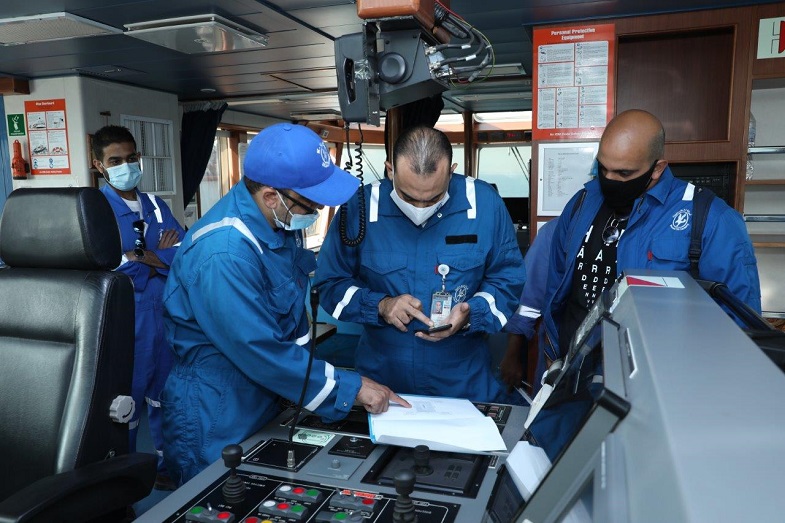
A vessel needs consistent attention to remain dependable, comfortable, and ready for regular use. The marine environment can be demanding, with salt water, heat, humidity, sunlight, and constant movement affecting different systems over time.
Good vessel care is not only about fixing problems after they appear. Regular inspections and planned servicing can help identify concerns earlier and keep important equipment working as expected.
For owners, having a clear maintenance routine can make vessel ownership more manageable and help protect a valuable investment.
Why Regular Vessel Care Is Important
Every vessel contains several systems that work together. Engines, electrical equipment, pumps, navigation systems, plumbing, safety equipment, and exterior components all need appropriate attention.
Regular care can help:
• Identify wear at an early stage
• Improve equipment reliability
• Reduce unexpected interruptions
• Support safer operation
• Protect the vessel’s condition
• Maintain long term value
The exact maintenance requirements depend on the vessel’s design, age, equipment, usage, and operating environment.
Understanding Marine Service Requirements
Professional marine service can cover different aspects of vessel care. Depending on the vessel and its requirements, support may include inspections, mechanical work, electrical checks, cleaning, equipment servicing, repairs, or other technical assistance.
A good service plan should be based on the actual condition of the vessel rather than relying only on a fixed routine.
Engine Checks Should Not Be Ignored
The engine is central to vessel operation and deserves regular attention.
Owners should monitor fluids, filters, cooling systems, belts, batteries, hoses, and other components according to manufacturer recommendations.
Changes such as unusual sounds, vibration, overheating, starting difficulties, or reduced performance can indicate that an inspection is needed.
Addressing warning signs early may help prevent more serious mechanical problems.
Looking After Electrical Equipment
Electrical systems support many important onboard functions, including lighting, communication, navigation, pumps, and appliances.
Regular checks can help identify weak batteries, damaged wiring, loose connections, or other faults.
Because electrical problems can create safety concerns, technical work should be carried out by suitably qualified professionals.
Caring for the Exterior
A vessel’s exterior is exposed to water, salt, sunlight, and weather conditions throughout its service life.
Regular cleaning can remove salt deposits and help owners identify visible problems such as corrosion, cracks, damaged fittings, or surface deterioration.
Keeping exterior areas in good condition also helps maintain the vessel’s overall appearance.
Ship Maintenance Services for Long Term Care
Professional ship maintenance services can provide structured support for owners who want to keep their vessel in good working condition.
Maintenance may include:
• Engine inspections
• Equipment checks
• Electrical system assessments
• Pump and plumbing inspections
• Safety equipment checks
• Exterior care
• Preventive servicing
A maintenance schedule should be adjusted according to the vessel’s usage and the manufacturer’s recommendations.
Preventive Maintenance Can Reduce Problems
Waiting until equipment fails can result in unexpected downtime. Preventive maintenance gives owners an opportunity to identify worn or damaged components before they cause a larger disruption.
Maintaining service records can also help track recurring issues and determine when specific components may need attention.
Preparing Before a Journey
A basic inspection before a trip can provide additional confidence.
Owners can check:
• Engine condition
• Fuel levels
• Battery performance
• Navigation equipment
• Safety equipment
• Pumps
• Plumbing
• Visible exterior fittings
Any unusual issue should be assessed before departure rather than ignored.
Taking Care of a Vessel During Storage
A vessel can develop problems even when it is not being used regularly.
Batteries, fuel systems, engines, plumbing, and interior spaces may require attention during periods of storage.
Appropriate preparation before storage and periodic inspections can help reduce the possibility of unpleasant surprises when the vessel is used again.
Marine Conditions in Kuwait
Vessels operating in Kuwait experience environmental conditions that deserve consideration. High temperatures, humidity, sunlight, and salt exposure can contribute to wear on equipment and surfaces.
Routine cleaning, inspections, and appropriate servicing can help owners manage these conditions.
Local marine professionals can also provide practical guidance based on the vessel’s operating environment.
Choosing Professional Support
When selecting a marine service provider, owners should consider experience, technical knowledge, communication, and the provider’s ability to understand the vessel’s individual requirements.
A professional approach should include careful inspection, clear explanations, suitable maintenance methods, and attention to safety.
Arabian Gulf Pearl supports vessel owners with marine services designed around maintenance, repair, and other practical requirements.
Keeping Maintenance Records
A simple record of inspections, repairs, replacement parts, and servicing can be extremely useful.
Maintenance records provide a history of the vessel and can help technicians understand previous work when new issues appear.
They can also help owners plan future servicing more effectively.
Conclusion
Good vessel care is an ongoing responsibility. Regular inspections, preventive servicing, proper cleaning, and timely attention to problems can help maintain reliability and protect the vessel over time.
Professional marine service can provide support when owners need technical assistance, while dependable ship maintenance services can help establish a more organized approach to ongoing vessel care.
With consistent attention and appropriate professional support, owners can keep their vessels better prepared for safe, comfortable, and enjoyable journeys.